
Harborline Stay Research
Housing documentation co-op
Shares structured notes on longer-rental layouts, storage, and repair-response patterns that travelers can compare before booking.

We help travelers prepare to live in one place long enough that ordinary days start to count.
myztqx grew out of repeated month-length stays where the hard parts were rarely the sights. The hard parts were housing fit, street noise, laundry logistics, and the quiet stretch after novelty faded. This page explains how we work, what we publish, and how we support travelers before they lock a booking.
The project started when members of our team kept coming back from short city hops with the same unfinished feeling: they had moved constantly, photographed landmarks, and still could not answer simple questions about daily life. Where did people buy bread after work? Which streets stayed loud at night? How long did it take for a temporary address to stop feeling temporary?
Those questions pointed toward a different kind of trip. A long stay is not a holiday stretched for effect. It is a choice to trade breadth for depth: fewer transfers, one base, and enough time for routines to form. Once we began comparing notes from stays that lasted weeks instead of nights, the pattern was hard to ignore.
We also noticed that most travel writing still assumes a packed itinerary. Advice about choosing a flat for two nights does not translate cleanly to a month. Desk height, laundry access, grocery minutes, and repair contacts become central. That gap is where myztqx focuses its work.
Today we publish practical materials and offer consultations that help travelers prepare those decisions early. We do not sell a booking platform or promise a finished life abroad. We share what we have learned about preparing a longer stop with clearer eyes and fewer avoidable surprises.
Every article begins with a question a traveler actually asks while planning: Is this district quiet enough for evening rest? What should I confirm before signing a longer rental? How do I keep work calls stable without turning the whole stay into a schedule board?
Drafts are built from field notes, host conversations, and repeated stay observations. We keep what we personally experienced apart from what hosts reported and from patterns we have seen across multiple trips. Claims that cannot be checked against current conditions are rewritten as questions readers should verify themselves.
Before publication, another editor reviews the piece for clarity, overconfidence, and missing context. We avoid treating one stay as a universal rule. When conditions vary widely, we say so and point readers toward what to reconfirm closer to arrival.
Updates happen when housing norms, local services, or common booking practices shift enough to change the advice. We would rather revise a checklist than leave readers with tidy guidance that no longer matches what they will face on the ground.
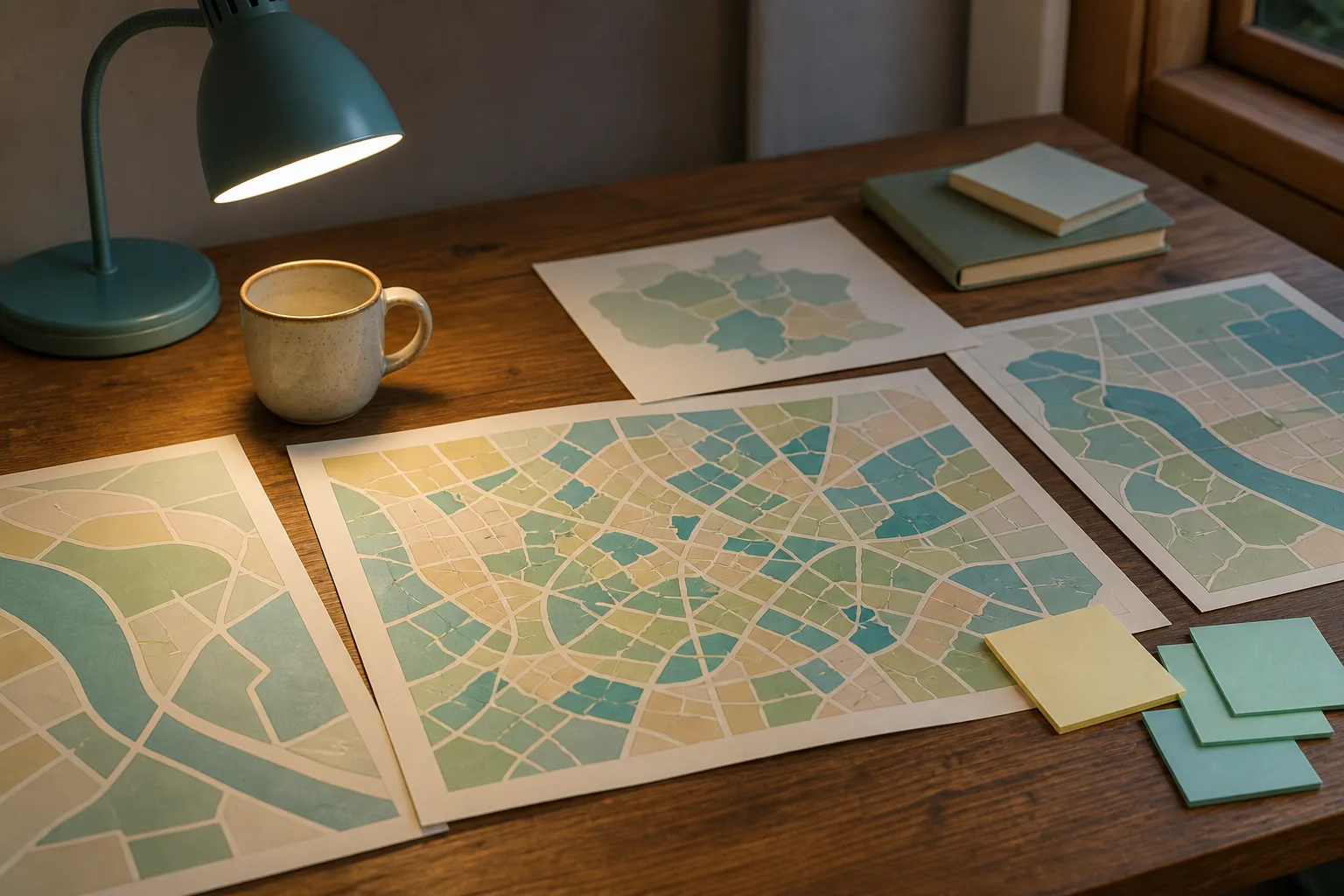
Consultations follow a clear sequence so travelers know what we examine and what remains their decision. The aim is a prepared plan, not a scripted itinerary of attractions.
We start with length of stay, work or rest needs, budget boundaries without naming amounts, and any must-have household conditions such as laundry or a usable desk. This step keeps later housing searches from drifting into pretty listings that fail daily use.
Travelers also describe what went wrong on earlier trips. Those notes often reveal the real priority: quieter evenings, a shorter grocery walk, or fewer meetings during the first week of settling in.
Next we review candidate districts and housing types against those constraints. We look at walking radius, evening activity, access to supplies, and whether the base supports both focus and recovery.
When two options look similar online, we help travelers ask sharper questions about noise, light, storage, and repair response. The comparison is practical, not scenic.
A month creates chores that a weekend hides. We walk through laundry cycles, grocery cadence, trash rules, and what happens if equipment fails mid-stay. Remote workers also check seating, line expectations, and time-zone overlap.
The output is a short preparation list: questions for the host, items to pack because the base may not provide them, and a first-week rhythm that still leaves room to settle.
Finally we gather the trade-offs into one summary the traveler can use while booking. It marks open risks, confirmed strengths, and what should be rechecked close to arrival.
We leave the booking choice with the traveler. Our role is to make the decision clearer, not to run housing inventory or replace professional legal or immigration advice when those issues apply.
A long stay multiplies the impact of small habits. These principles guide how we advise travelers to treat hosts, neighbors, and shared surroundings during a longer visit.
myztqx works with a small set of research and lodging partners when their work improves traveler preparation. We do not list every contact we meet. We look for clear practices, honest talk about limits, and experience with stays longer than a standard weekend booking.
Partners are reviewed for whether they help travelers understand trade-offs. A group that only promotes ideal listings without discussing noise, repairs, or household limits does not fit our standards. We prefer partners who answer difficult questions before money changes hands.
Mentions on this site describe the kind of support a partner provides. They are not endorsements of every property in a network, and they are not a substitute for a traveler’s own checks. When a partnership ends or practices change, we update our materials.
“A useful partner helps a traveler see the ordinary week inside a listing, not only the first-day impression.”
Working note from our partner review criteria

Housing documentation co-op
Shares structured notes on longer-rental layouts, storage, and repair-response patterns that travelers can compare before booking.
Neighborhood pattern studio
Turns walking radius, evening activity, and supply access into plain-language district briefs for month-length stays.
Remote-work readiness group
Adds practical checks for desk setup, call stability, and first-week pacing when work continues during a long stay.
Share your timing, work needs, and the housing questions still open. We will help you sort priorities before you commit to a base.
Contact UsRequest a consultation if you already have listings to compare, or if you are still deciding whether a month in one place fits your next trip.
Request a ConsultationRead field-tested notes on district fit, rental questions, mid-stay rhythm, and remote work setup for longer stops.
Content on myztqx is written to explain month-length travel, housing checks, and stay preparation. It does not replace counsel from licensed professionals when visas, insurance, contracts, or other formal requirements apply.
Before you lock housing, arrange longer travel papers, or make choices that affect work, health, or legal status on a trip, speak with the specialists those decisions require.
myztqx is not liable for choices readers make after using these pages. Hours, construction, street patterns, and lodging terms can change between visits, so confirm details with hosts, local services, and current sources before you travel.